
Crafting the Ultimate Inspection Checklist Essentials
Updated: Jul 26
Creating a thorough inspection checklist is essential for anyone involved in managing or investing in commercial properties. A well-crafted checklist helps identify potential issues early, ensures compliance with safety standards, and protects your investment. I focus on clear, practical steps to build a checklist that covers all critical areas without overwhelming you with unnecessary details.
Inspection Checklist Essentials: What to Include
When I start crafting an inspection checklist, I prioritize the most important elements that affect the property's safety, functionality, and value. Here are the key areas I always include:
Structural Integrity: Check for cracks, water damage, and foundation issues.
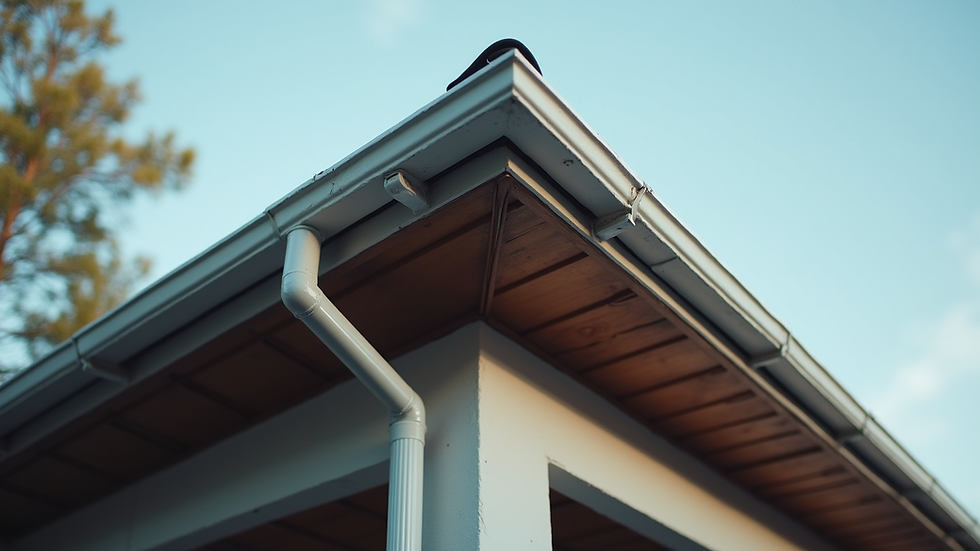
Roof and Gutters: Inspect for leaks, missing shingles, and proper drainage.
HVAC Systems: Verify operation, maintenance records, and filter conditions.
Electrical Systems: Look for exposed wiring, breaker panel conditions, and outlet functionality.
Plumbing: Test water pressure, check for leaks, and inspect pipes.
Fire Safety: Confirm working alarms, extinguishers, and clear exits.
Interior and Exterior Surfaces: Assess walls, floors, windows, and doors for damage or wear.
Accessibility Compliance: Ensure ramps, doors, and restrooms meet regulations.
Each section should have specific checkpoints to guide the inspection process. This approach keeps the checklist focused and actionable.
How to Organize Your Inspection Checklist
Organization is key to making your checklist effective and easy to use. I recommend dividing the checklist into sections based on property areas or systems. This method helps inspectors move logically through the property and reduces the chance of missing critical points.
Here’s a simple structure I use:
Exterior Inspection
Building facade
Roof and drainage
Parking lot and landscaping
Interior Inspection
Common areas
Individual units or offices
Mechanical rooms
Systems Check
Electrical
Plumbing
HVAC
Safety and Compliance
Fire safety equipment
Accessibility features
Environmental hazards
Using bullet points or numbered lists within each section makes the checklist easy to follow. I also include space for notes and photos to document findings.
Using a Commercial Property Inspection Checklist Effectively
A commercial property inspection checklist is a powerful tool when used correctly. I always advise clients to:
Prepare in advance: Review the checklist before the inspection to understand what to expect.
Take detailed notes: Record observations clearly and concisely.
Use photos: Visual evidence supports your findings and helps with future comparisons.
Prioritize issues: Identify urgent repairs versus minor maintenance.
Follow up: Schedule repairs or further evaluations based on the checklist results.
This process ensures inspections lead to informed decisions and timely actions.

Tips for Customizing Your Checklist
Every commercial property is unique, so I tailor checklists to fit specific building types and uses. Here are some tips I use to customize checklists:
Consider property age: Older buildings may need more focus on structural and electrical systems.
Account for property use: Warehouses, retail spaces, and office buildings have different inspection priorities.
Include local regulations: Southwest Missouri and Northwest Arkansas have specific codes and standards to follow.
Add seasonal checks: Some inspections are more relevant in certain seasons, like HVAC in summer or roof inspections after winter.
Customizing your checklist ensures it remains relevant and practical for your property’s needs.
Maintaining and Updating Your Checklist
An inspection checklist is not a one-time tool. I recommend reviewing and updating it regularly to reflect changes in the property, regulations, and technology. Here’s how I keep checklists current:
Review after each inspection: Note any missing items or new concerns.
Stay informed on regulations: Update the checklist to comply with new laws.
Incorporate feedback: Use input from inspectors and property managers.
Use digital tools: Consider software that allows easy updates and sharing.
Regular maintenance of your checklist keeps inspections thorough and efficient.
Final Thoughts on Building Your Inspection Checklist Essentials
Crafting the ultimate inspection checklist requires attention to detail, organization, and ongoing updates. By focusing on essential areas, structuring the checklist logically, and customizing it to your property, you create a tool that protects your investment and ensures safety. Use the checklist consistently and review it regularly to maintain its effectiveness.
A well-prepared inspection checklist is your first step toward smart property management and long-term success.



Comments